
The Hidden Cost of Grassroots Football: The Hours Nobody Counts
Clubs know what pitches, kits and equipment cost. But there is another currency keeping grassroots football alive that rarely appears on a balance sheet.
Grassroots football runs on volunteers.
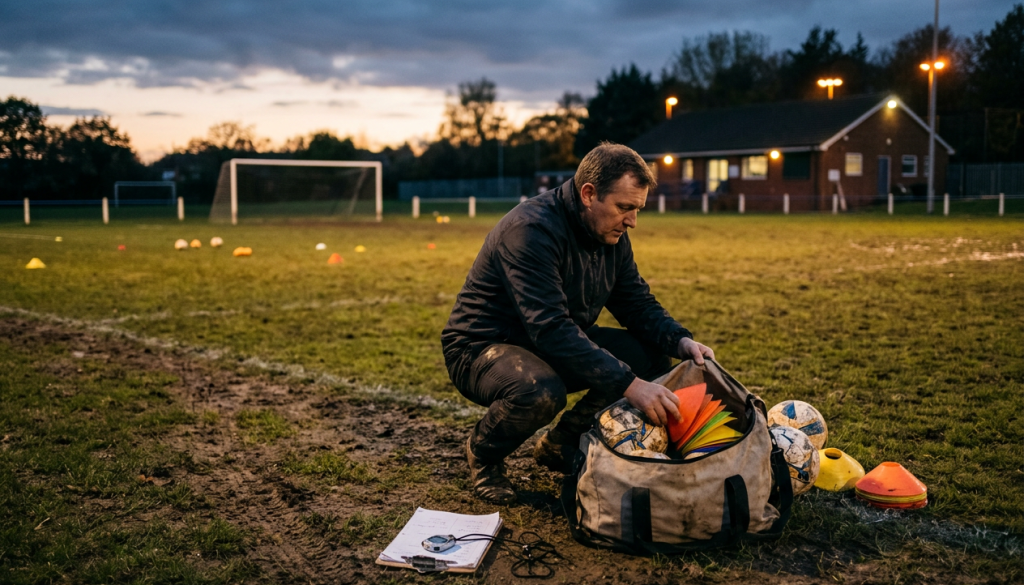
They coach. Organise. Send messages. Arrange fixtures. Sort equipment. Deal with paperwork. Help at training and somehow find time for all the little jobs that nobody notices until they aren’t done.
Parents contribute too.
Journeys to training. Weekends at matches. Tournaments. Lifts. Washing kits. Helping when the club needs an extra pair of hands.
Nobody adds all those hours together.
Perhaps we should.
What Is an Hour Worth?
When a club holds a successful fundraiser, the amount raised is easy to measure.
What is harder to calculate is everything that happened beforehand.
Who organised it?
Who promoted it?
Who collected the money?
Who gave up another evening to make it happen?
Traditional fundraising remains an important part of grassroots football, but every activity requires something from someone.
And time isn’t unlimited.
That’s one reason Maranovo’s partnership model has been designed around helping clubs create additional revenue opportunities without continually increasing the burden on volunteers, coaches and parents.
The idea is straightforward: create professionally produced football publications that families can choose to buy, with participating clubs able to generate income through those publications.
It doesn’t mean clubs should stop holding raffles, events or sponsored activities.
It simply gives them another option.
Because perhaps every fundraising idea should be judged in two ways:
How much money could this generate?
And:
How much time will it ask from our people?
Grassroots football depends on people who repeatedly give something they can never replace.
Not money.
Time.
Protecting that time may prove just as important as raising the next pound.


